40%
off
off
-
Sold
-
-
out
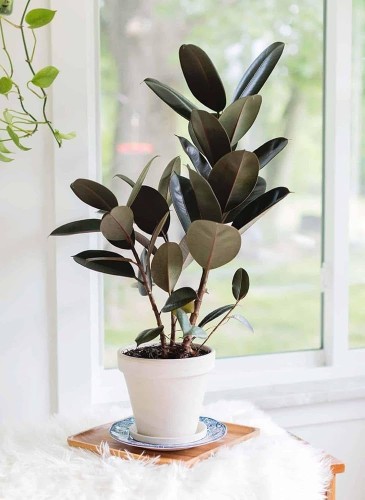
Rubber Plant (Ficus elastica)
Description
- Botanical Identity: Ficus elastica, commonly known as Rubber Plant or Rubber Tree.
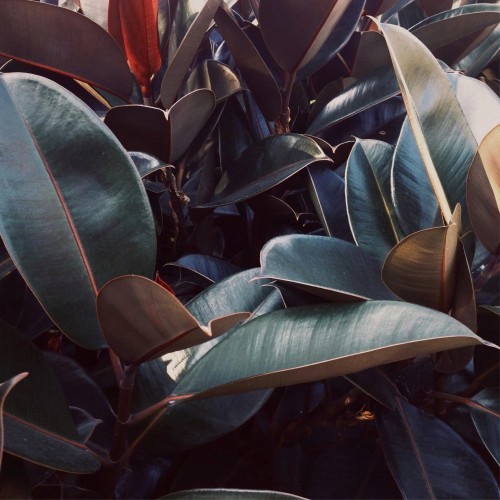
- Foliage: Large, broad, glossy, leathery leaves — typically dark green, sometimes nearly black or deep burgundy in darker?leafed varieties.
- Growth Habit (Indoors): Upright growth; indoors it can reach several feet (often 6–10?ft / ~1.8–3?m tall if conditions allow) with a spread of about 2–3?ft (~60–90?cm).
- Origin: Tropical tree from the fig family (Moraceae), native to parts of South and Southeast Asia.
Uses
- Indoor Décor / Ornamental Plant: Its glossy foliage and upright form make it a striking statement plant — ideal for living rooms, offices, hallways or corners.
- Vertical Green Accent: Suitable for adding height indoors, filling corners, or creating a green “tree?like” presence without outdoor space.
- Air Purification & Indoor Environment: Known to help filter common indoor air pollutants (e.g. formaldehyde), improving air quality and ambience.
- Low?Maintenance Houseplant: Because of its tolerance to a variety of indoor conditions and forgiving nature, it’s a good choice for beginners or busy homes/offices. >
Care & Maintenance
Light
- Prefers bright, indirect light. Morning or filtered light is ideal. Avoid harsh, direct midday sun which can scorch leaves. :
- Can tolerate moderate light or partly shaded rooms, but low light slows growth and may make plant leggy.
Watering
- Allow the top 1–2 inches (2.5–5?cm) of soil to dry before watering again. Over?watering or soggy soil can lead to root rot. :
- During warm growing periods, water moderately; reduce watering frequency during cooler or less?active months.
Soil
- Use a well?draining potting mix. A mix of garden soil + coco?peat/perlite or bark helps ensure good drainage and root aeration.
Temperature & Humidity
- Thrives in typical indoor temperatures — ideally between ~18?°C to 29?°C. Avoid cold drafts or exposure below ~12?°C.
- Prefers moderate humidity; occasional misting or wiping leaves helps in dry indoor air.
Fertilization
- Feed with a balanced houseplant fertilizer during growing season (spring & summer), about once a month. Reduce or stop fertilizing in winter. :
Pruning & Maintenance
- Remove yellow or damaged leaves as needed. Prune top stems to control height or encourage bushier growth.
- Wipe leaves occasionally with a damp cloth to remove dust and keep gloss & photosynthesis optimal.
- Repot every 2–3 years (or when root?bound), using fresh well?draining soil.
Pests & Problems
- Over?watering may cause root rot — symptoms: yellowing leaves, mushy stems.
- Pest infestations (e.g. mealybugs, scale, spider mites) can occur in dry/humid imbalance — inspect regularly and treat promptly. :}
- Be cautious: sap (milky latex) from stems/leaves is irritating to skin & toxic if ingested — keep away from pets/children.
Features
- Large, glossy and bold leaves — gives a lush, tropical look indoors.
- Height & upright growth — fills vertical space, works well as indoor “mini?tree.”
- Adaptable & forgiving — tolerates a range of light and watering conditions (if kept within limits), making it beginner-friendly.
- Air?purifying capacity — helps filter indoor pollutants, contributing to healthier indoor air.
Advantages
- Easycare houseplant: Requires modest attention — ideal for beginners or busy people.
- Stylish décor addition: Dark, glossy foliage adds elegance and works with many interior styles (modern, minimalist, traditional).
- Space efficient greenery: Upright growth makes it suitable for apartments or rooms with limited floor space.
- Improves indoor environment: Adds greenery, may help with indoor air quality, and enhances ambience.
- Long lasting & robust: With proper care, it remains healthy and attractive for many years.
Live Plants
Related Products
From This Collection